
Sciene

Sciene

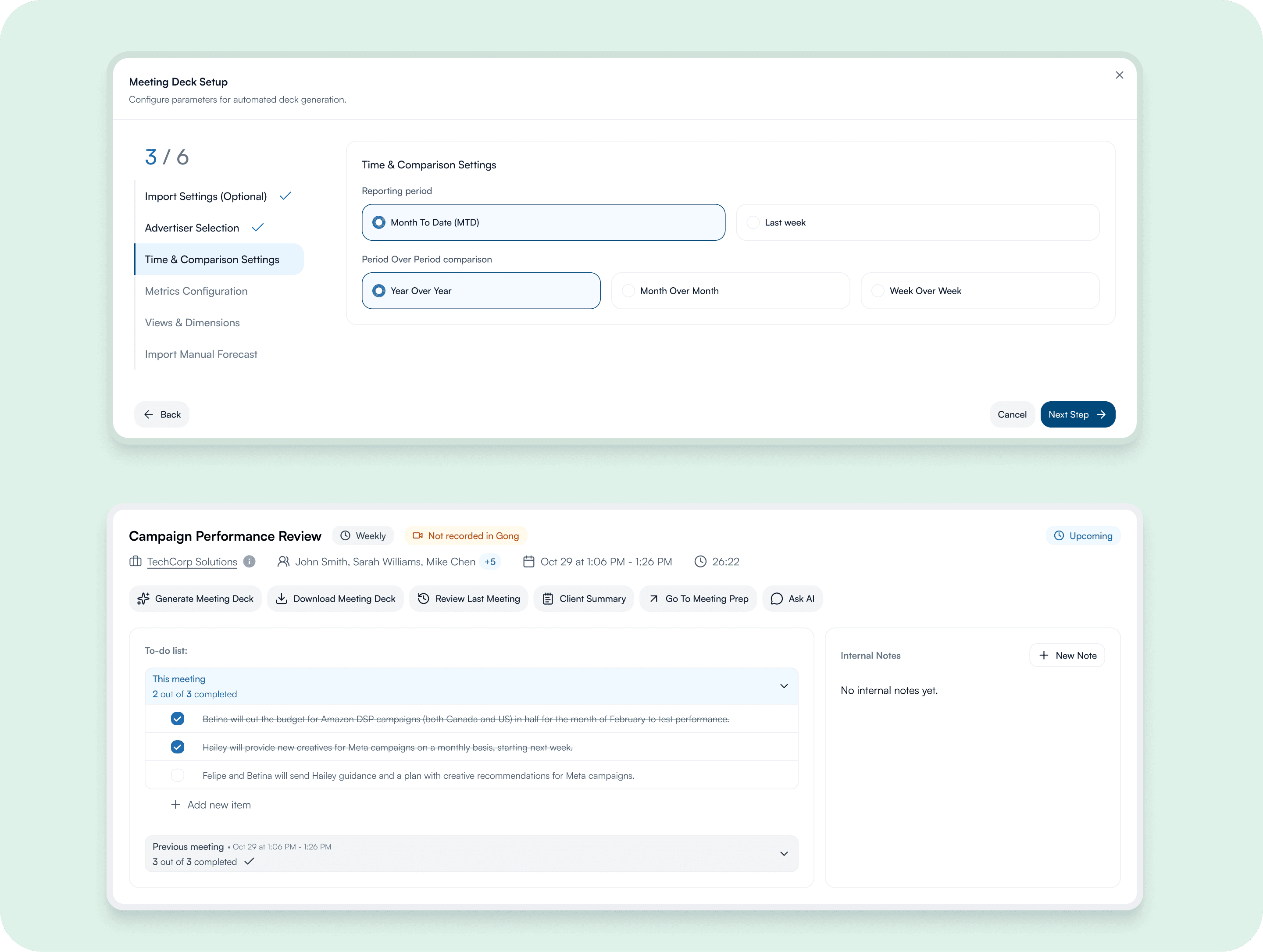
Taking ownership of a complex platform, modernizing it, systematizing it, and scaling design operations inside a fast-paced AI company.

Taking ownership of a complex platform, modernizing it, systematizing it, and scaling design operations inside a fast-paced AI company.

The challenge

Revamping a complex AI platform required a continuous, multi-layered approach rather than a traditional linear design cycle.

Revamping a complex AI platform required a continuous, multi-layered approach rather than a traditional linear design cycle.

As the sole Product Designer, I partnered closely with AI Engineers, Developers, QA, Data Analytics, Sales, and CSM teams to modernize the entire experience, introduce scalable design foundations, and accelerate product delivery.

As the sole Product Designer, I partnered closely with AI Engineers, Developers, QA, Data Analytics, Sales, and CSM teams to modernize the entire experience, introduce scalable design foundations, and accelerate product delivery.

My Role

Discovery

Competitor analysis

Low & high fidelity prototyping

Usability testing & validation.

Discovery

Competitor analysis

Low & high fidelity prototyping

Usability testing & validation.

Year

2025 - Currently

About the company
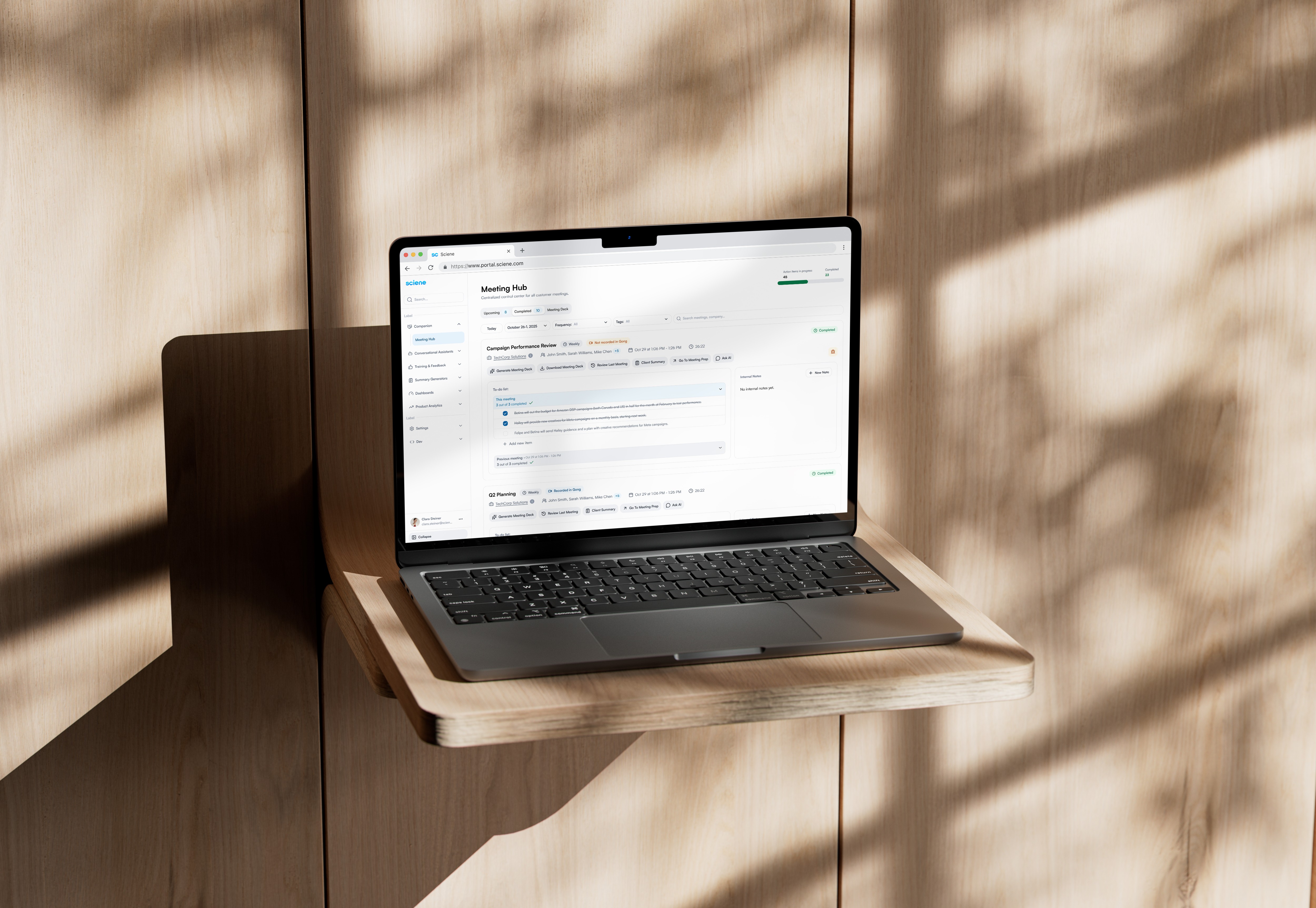
Sciene is an AI-first technology company that provides secure, customizable, enterprise-grade AI solutions.

Sciene is an AI-first technology company that provides secure, customizable, enterprise-grade AI solutions.

Platform Immersion & Usability Audit

Platform Immersion & Usability Audit

I began by conducting a deep dive into the legacy platform to understand the structure, pain points, and technical constraints. The audit uncovered critical issues:

I began by conducting a deep dive into the legacy platform to understand the structure, pain points, and technical constraints. The audit uncovered critical issues:

I began by conducting a deep dive into the legacy platform to understand the structure, pain points, and technical constraints. The audit uncovered critical issues:

Inconsistent Visual Language & No Design System

Components, styles, and visuals vary widely across the product, with no shared documentation to align teams. This inconsistency has compounded over time as different teams built redundant flows independently, making the experience feel disjointed and hard to maintain.

Cluttered Screens & Unclear Hierarchy

Key information competes for attention, making it difficult for users to know where to focus or what to do next. Without a clear visual hierarchy, even simple tasks feel overwhelming.

Fragmented Interactions & Navigation Friction

Interaction patterns are inconsistent across the product, and navigation lacks the clarity needed for users to orient themselves and discover what they're looking for with confidence.

Accessibility & Alignment Gaps

Spacing, alignment, and contrast issues create a rough, unpolished experience, falling short of accessibility standards and leaving a portion of users underserved.

The opportunity

How might we create a cohesive and intuitive experience for enterprise users navigating complex AI solutions?

How might we create a cohesive and intuitive experience for enterprise users navigating complex AI solutions?

Goals

Align Teams Around a Shared Vision

Bring designers, engineers, and business stakeholders together under a common understanding of the product's direction: defining the strategic role of each AI solution and what success looks like for an enterprise-grade platform.

Define the Foundation for a Scalable Experience

Establish the design principles, scope, and sequencing needed to guide redesign efforts, ensuring every decision is rooted in clarity, scalability, performance, and security.

Bridge Design and Technical Complexity

Account for the real constraints of an AI-first platform: from model response times and API outputs to knowledge ingestion workflows, so that usability improvements are both user-centered and technically grounded.

The Design System

The Design System

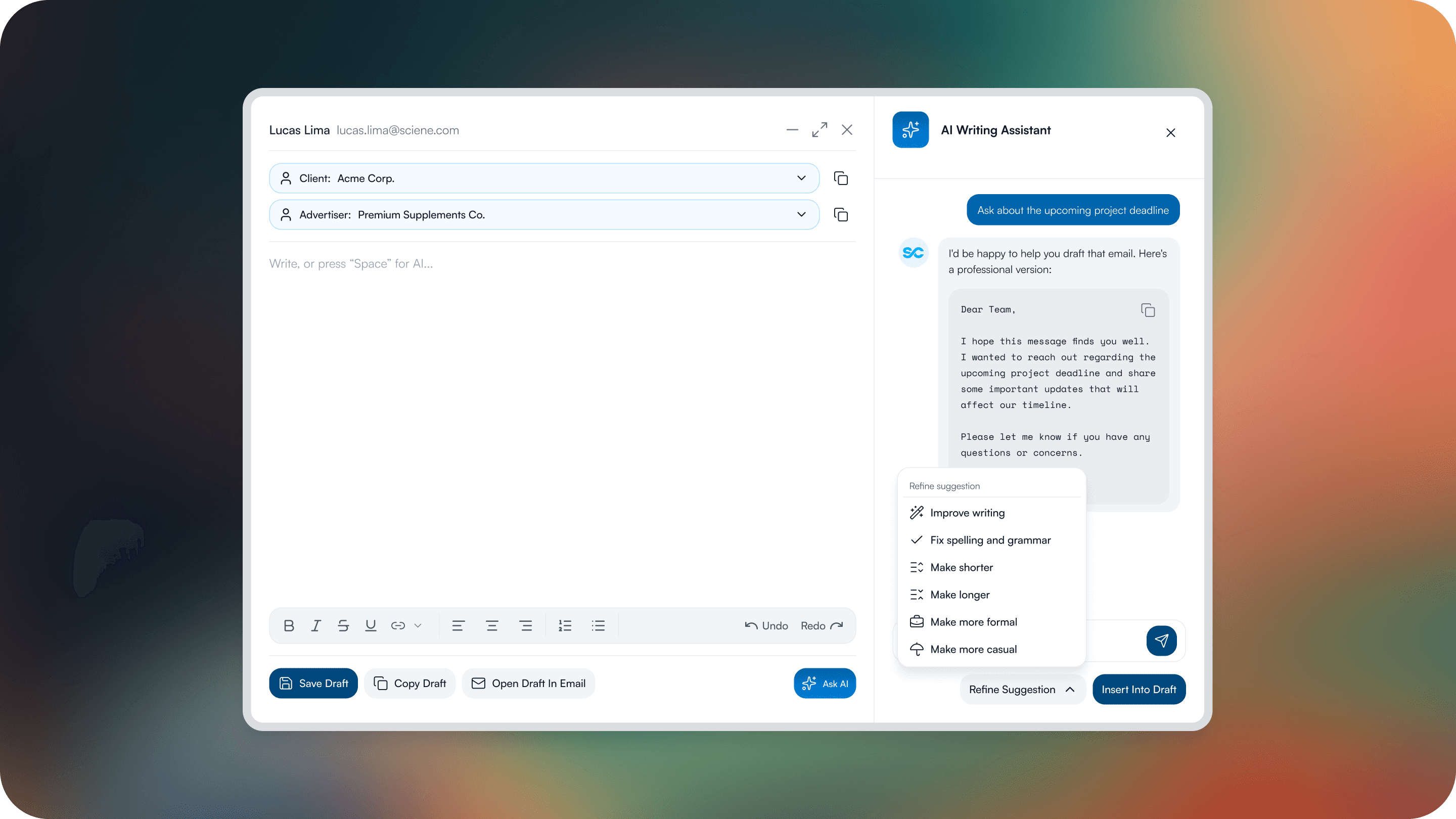
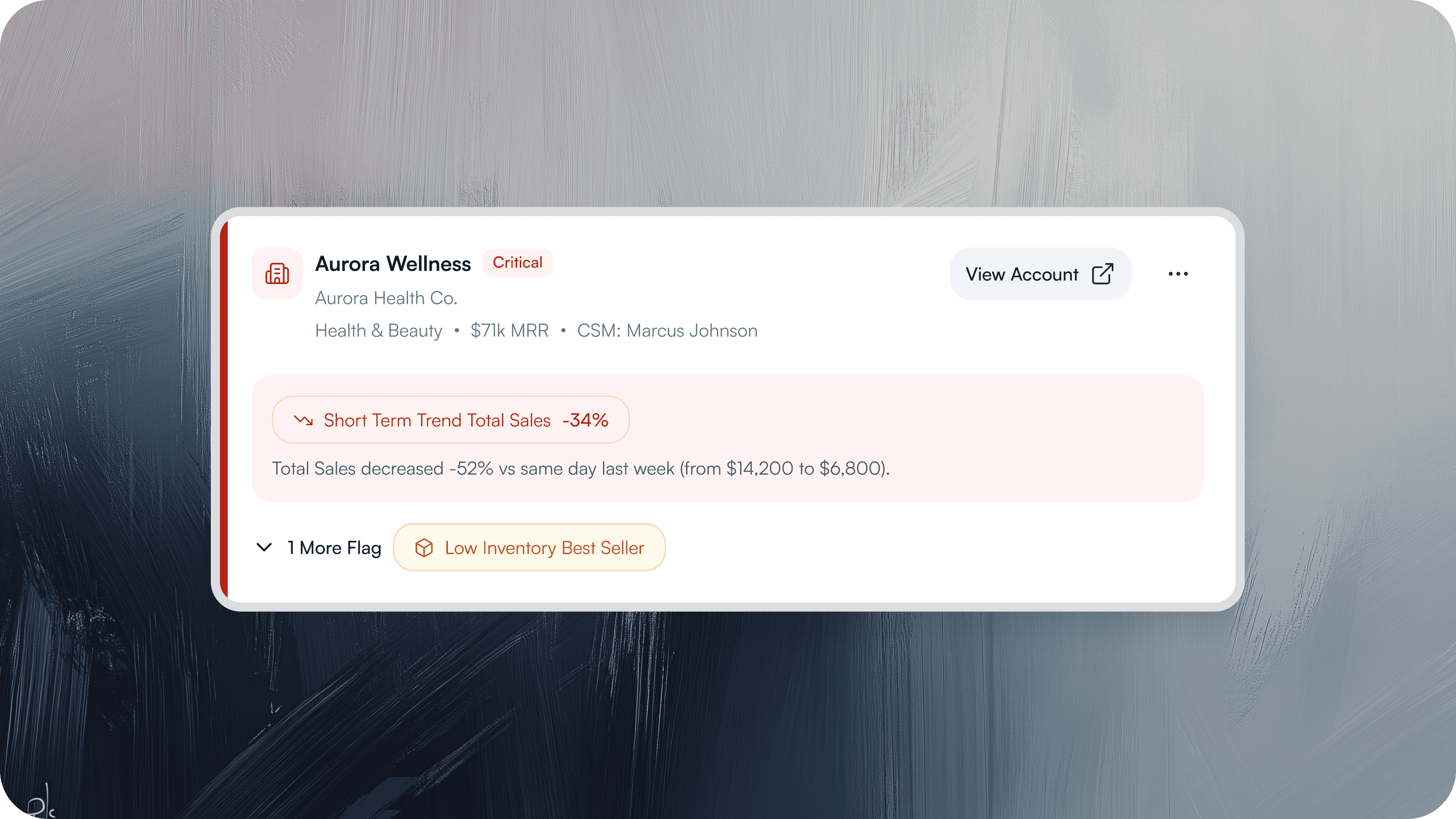
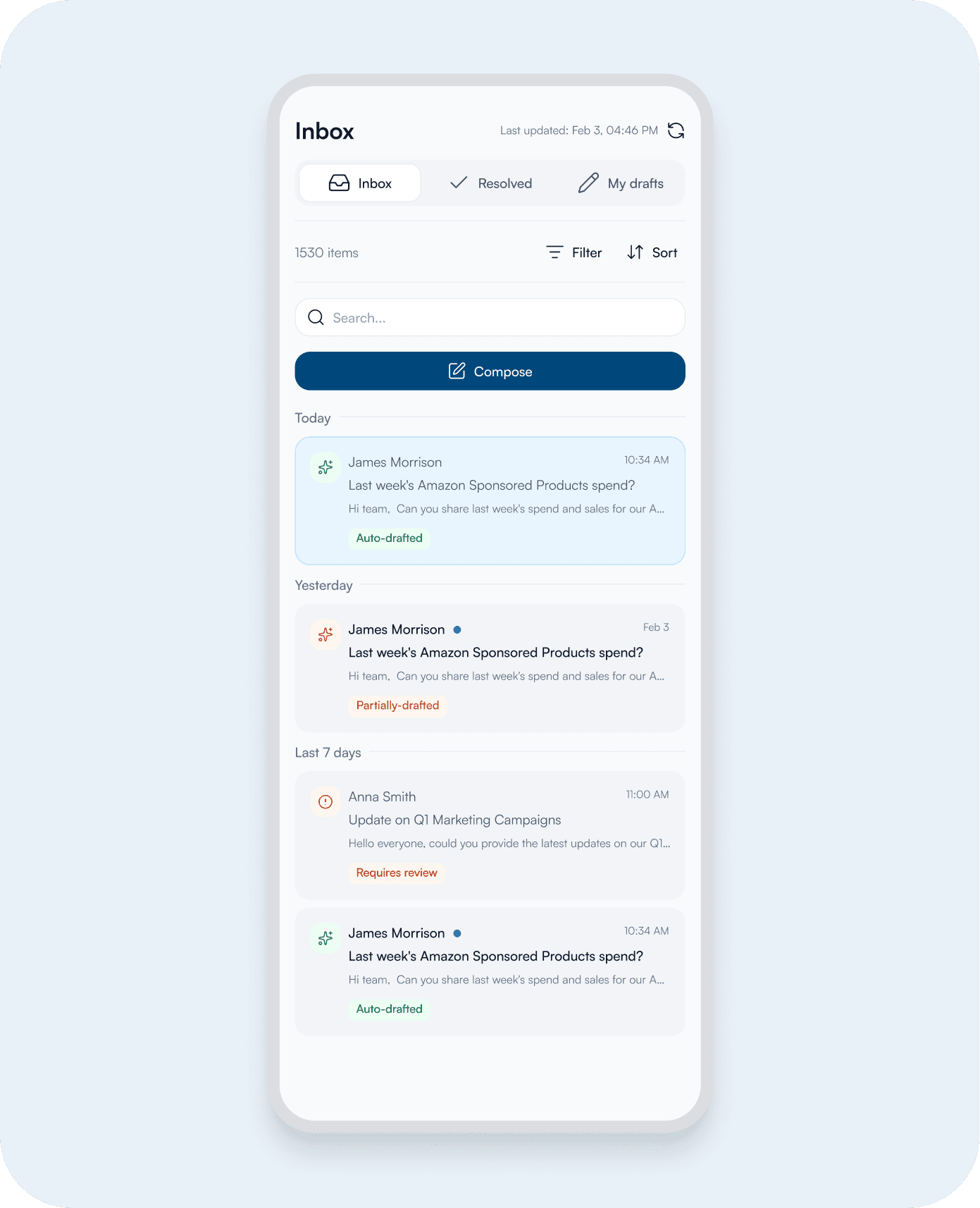
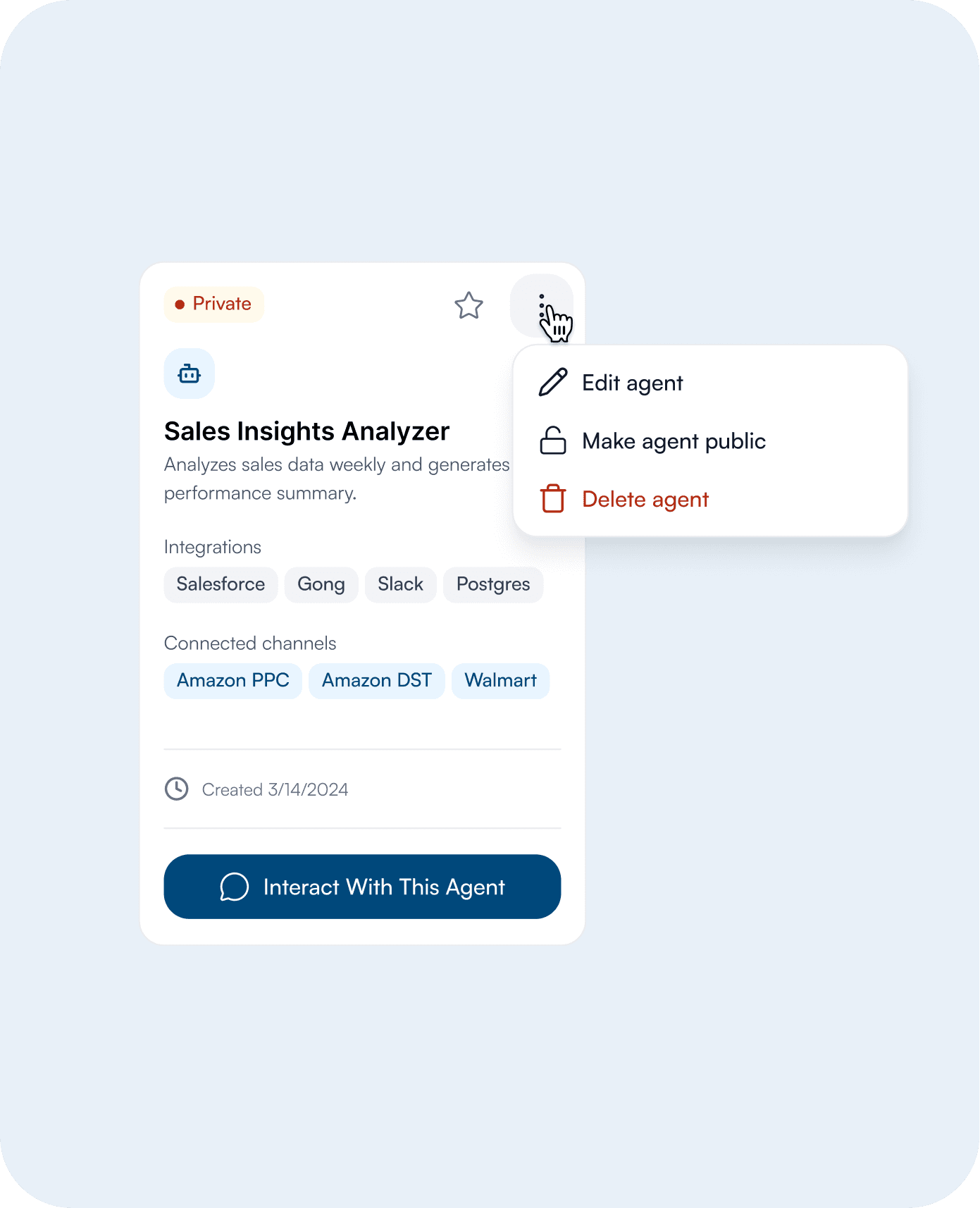
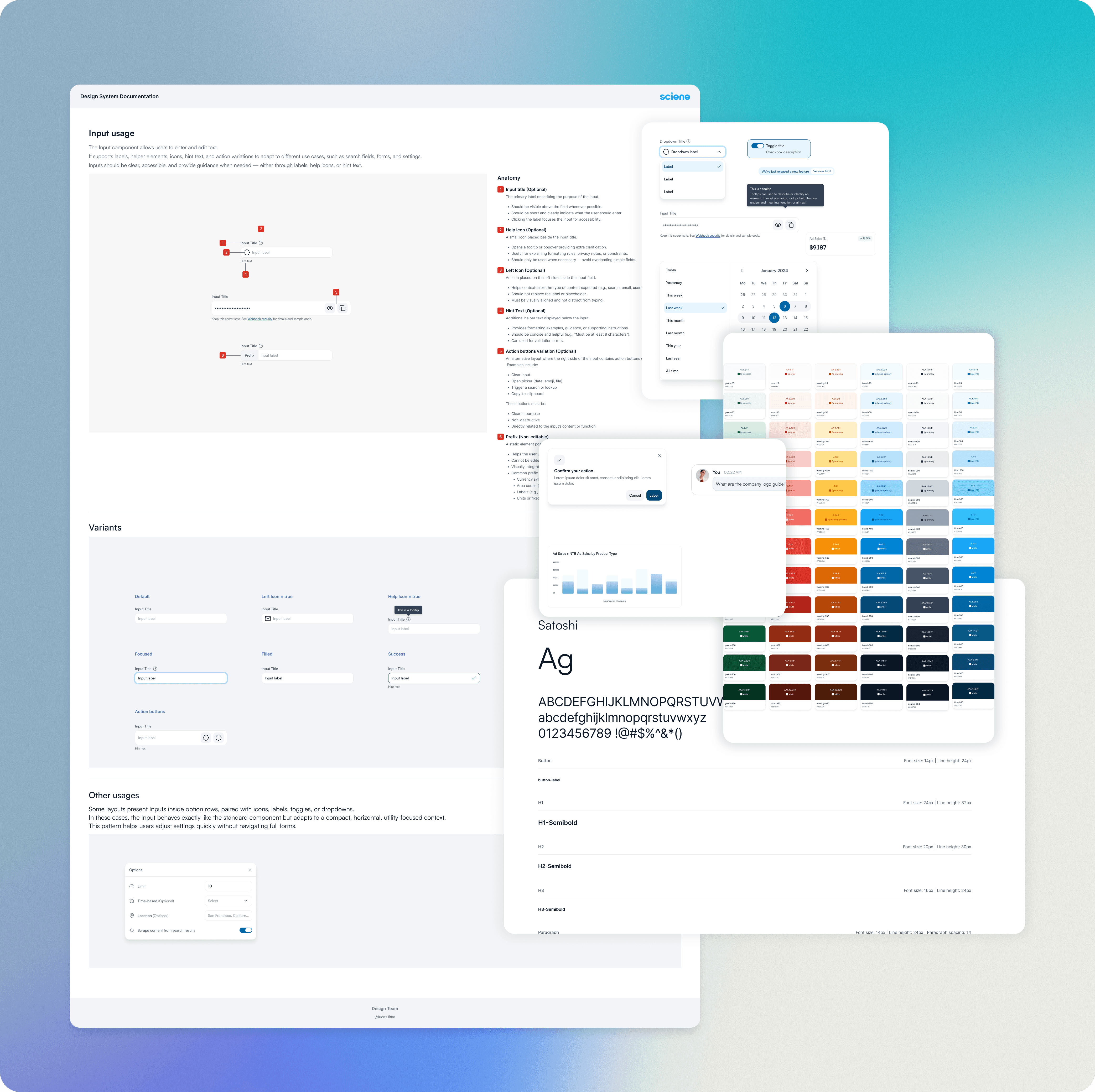
With no existing system to build on, I designed and documented a full-scale design system from the ground up. Every decision was built to unify the visual language and speed up engineering handoff.
User Research & Workflow Understanding

User Research & Workflow Understanding

I conducted contextual interviews with customers, Sales reps, and CSMs to understand how different teams used the platform in real environments.

I conducted contextual interviews with customers, Sales reps, and CSMs to understand how different teams used the platform in real environments.

I conducted contextual interviews with customers, Sales reps, and CSMs to understand how different teams used the platform in real environments.

Users relied heavily on AI tools but were slowed down by unclear inputs and non-standard UI patterns.

Navigation contributed to repeated errors and support tickets.

Users improvised external tools (Notion, Excel, manual documents) to fill product gaps.

CSMs struggled to onboard clients due to the platform’s complexity.

IA Redesign & System Architecture Foundations

IA Redesign & System Architecture Foundations

Before touching high-fidelity UI, I redefined the information architecture to support a scalable future, with clarified navigation, consistent patterns, global rules for data hierarchy, and standard ways for AI to provide results across products.

Before touching high-fidelity UI, I redefined the information architecture to support a scalable future, with clarified navigation, consistent patterns, global rules for data hierarchy, and standard ways for AI to provide results across products.

Before touching high-fidelity UI, I redefined the information architecture to support a scalable future, with clarified navigation, consistent patterns, global rules for data hierarchy, and standard ways for AI to provide results across products.

Testing & Cross-Team Validation

Interactive prototypes were tested with:


  • Customers using real workflows

  • CSMs testing onboarding scripts

  • Sales validating demo scenarios

  • Engineers reviewing feasibility


Feedback loops were fast and iterative, ensuring designs solved real problems and aligned with technical reality.

Development Support & Handoff

To accelerate implementation, I delivered:


  • Detailed Figma specs

  • UX guidelines and component documentation

  • Accessibility and behavior notes

  • Flows annotated for engineering

  • Loom walkthroughs explaining rationale

  • Quick QA support during development


This significantly reduced back-and-forth and improved release speed.
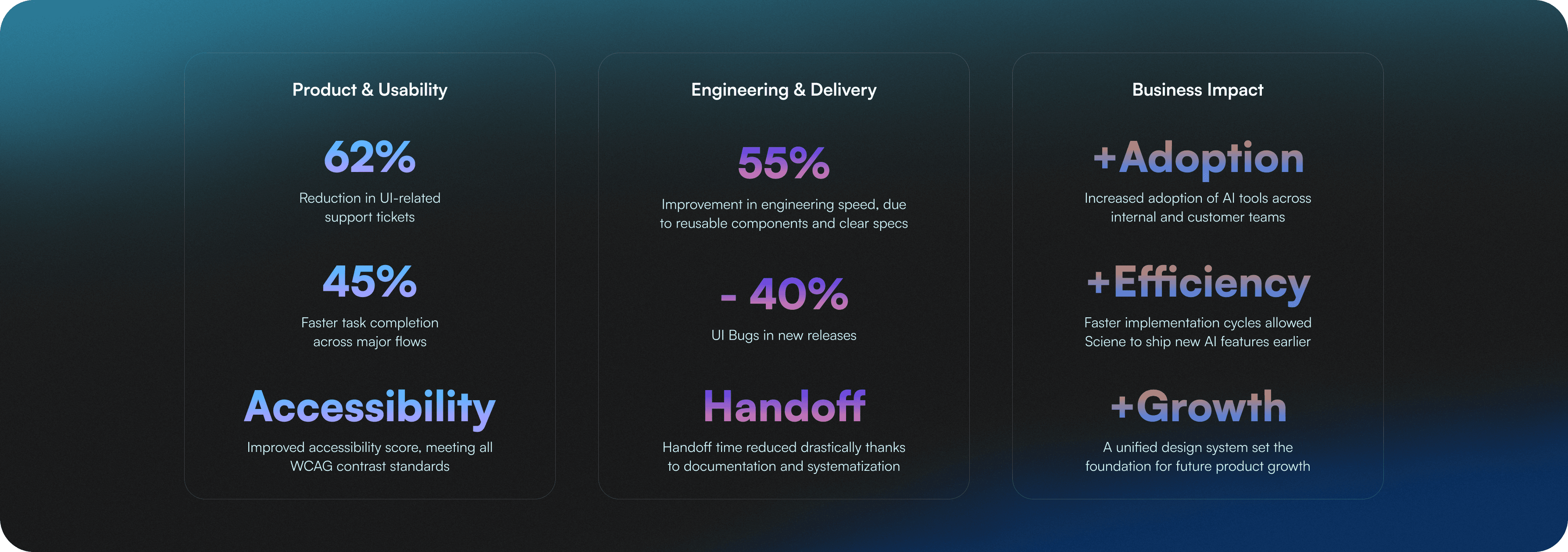
Impact

Impact

LET'S MAKE EVERY PIXEL COUNT.

LET'S MAKE EVERY PIXEL COUNT.

Curitiba, Brazil